
pprc fittings
Home / pprc fittings
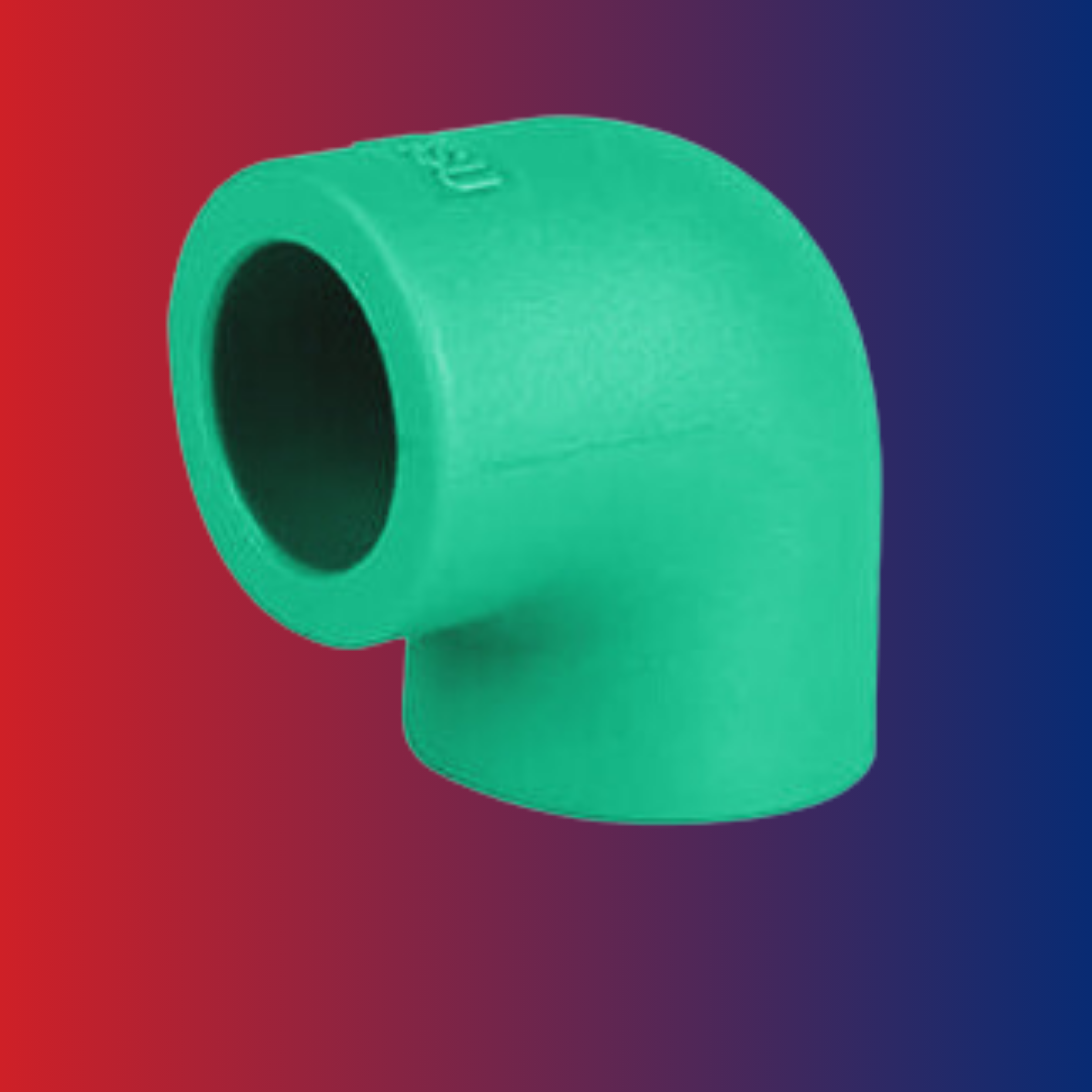
ELBOW
PPRC elbows are fittings used in piping systems made of Polypropylene Random Copolymer (PPRC). These elbows are designed to facilitate changes in the direction of piping, typically at a 90-degree angle. They are durable, corrosion-resistant, and compatible with PPRC pipes, ensuring reliable performance in various applications such as plumbing, water supply, heating systems, and chemical transport. PPRC elbows are available in different sizes and configurations to suit specific project requirements, offering ease of installation and long-term integrity in the piping network.
Sizes Available
- Elbow – 25mm
- Elbow – 32mm
- Elbow – 40mm
- Female Elbow - 25 x ½
- Female Elbow - 25 x ¾
- Female Elbow - 32 x ½
- Female Elbow - 32 x ¾
- Female Elbow - 32 x 1
- Reducer Eblow - 32 x 25
- Reducer Elbow - 40 x 25
- Reducer Elbow - 40 x 32
whatsApp: +92 319 9009644 || Phone: 091 7089867
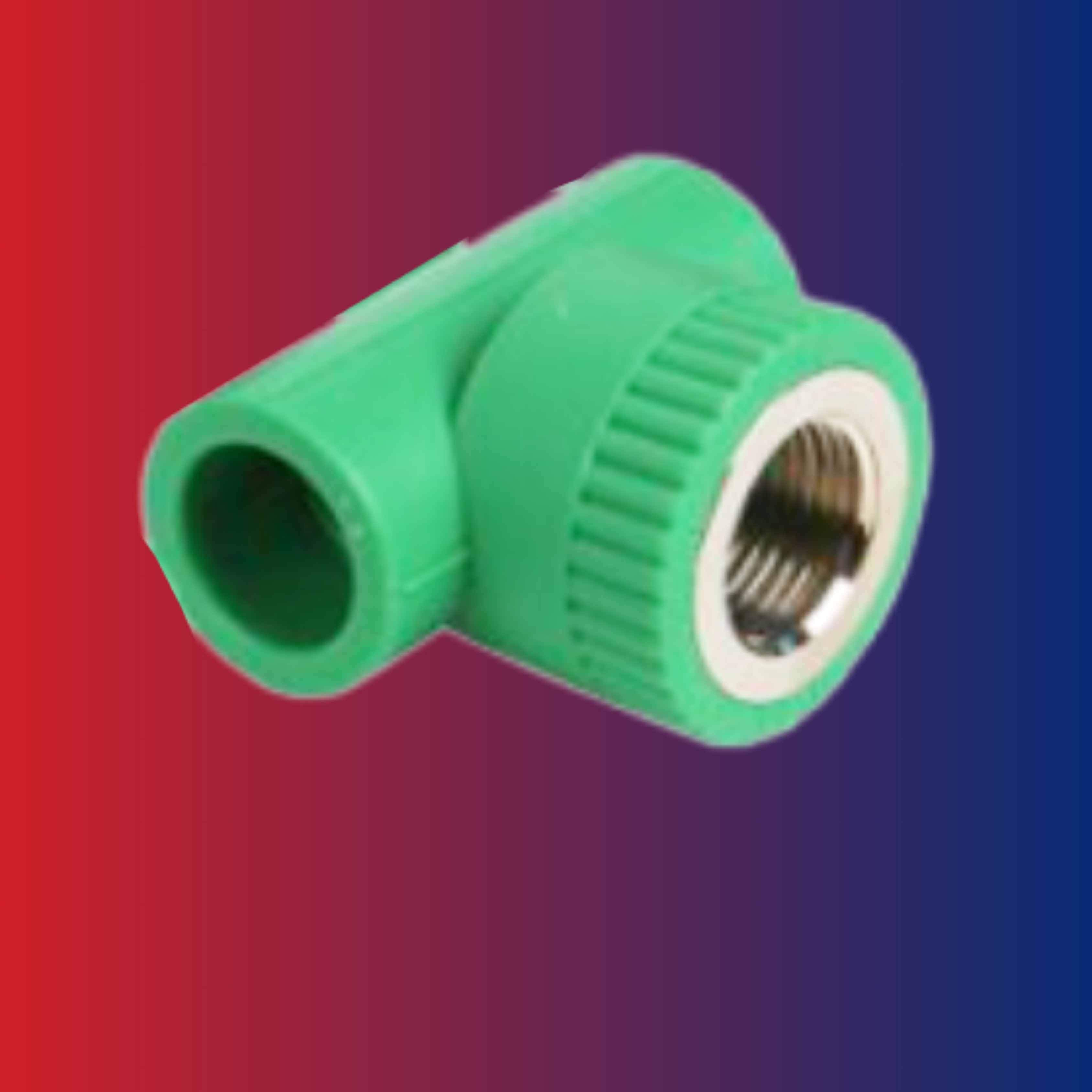
TEE
A PPRC tee is a type of fitting used in piping systems made of Polypropylene Random Copolymer (PPRC). Similar to other tee fittings, a PPRC tee allows for the branching of piping in a system, splitting flow into two or more directions at a 90-degree angle. These tees are designed to connect three pipes together, typically in a T-shaped configuration.
PPRC tees offer several advantages, including durability, corrosion resistance, and compatibility with PPRC pipes. They are commonly used in plumbing, water supply, heating systems, and various industrial applications. Available in different sizes and configurations, PPRC tees provide flexibility in designing and constructing piping networks while ensuring reliable performance and long-term integrity.
Sizes Available
- TEE – 25mm
- TEE – 32mm
- TEE – 40mm
- Female TEE - 25 x ½
- Female TEE - 25 x ¾
- Female TEE - 32 x ½
- Female TEE - 32 x ¾
- Female TEE - 32 x 1
- Reducer TEE - 32 x 25
- Reducer TEE - 40 x 25
- Reducer TEE – 40 x 32
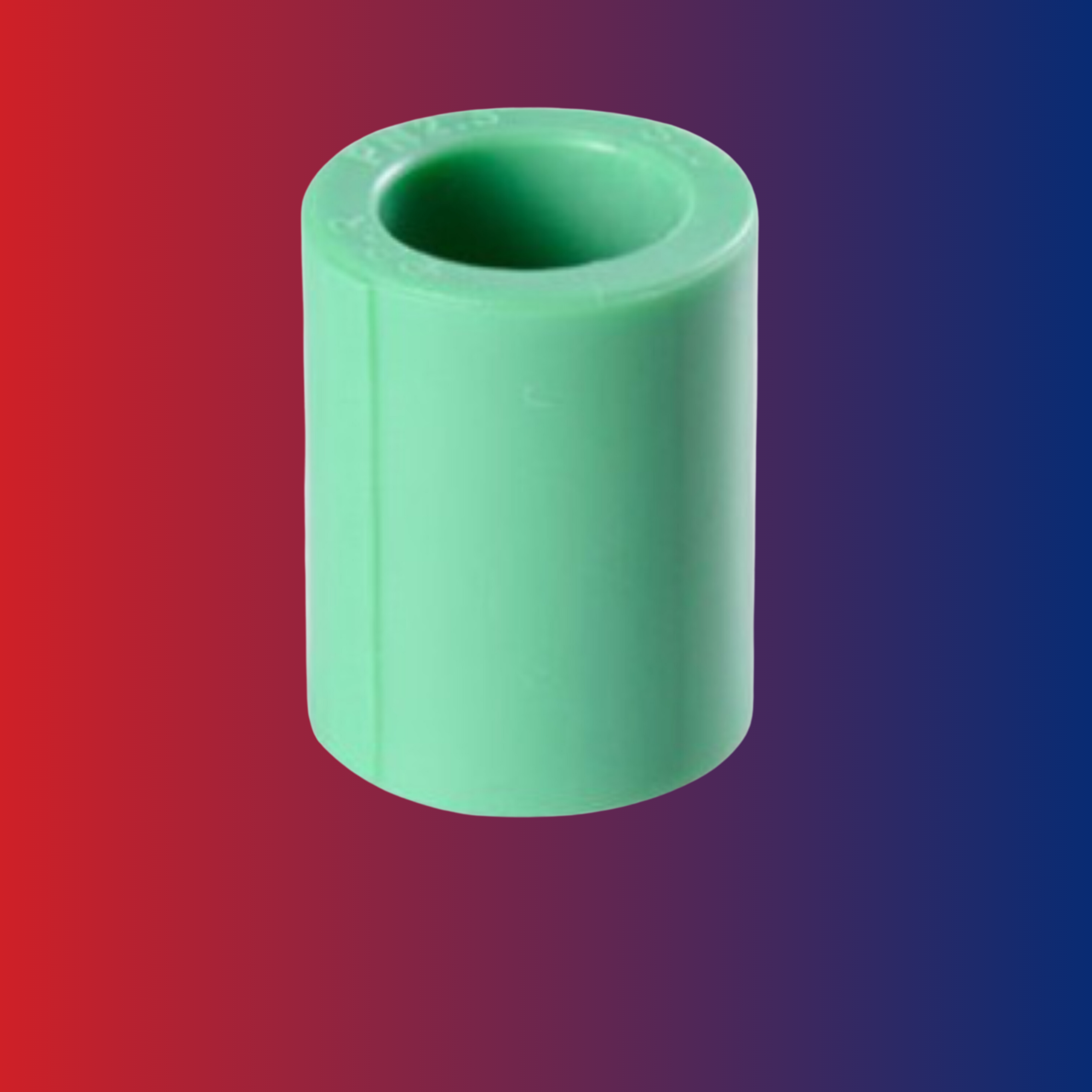
SOCKET
A PPRC socket refers to a socket-type fitting used in piping systems constructed with Polypropylene Random Copolymer (PPRC) pipes. These sockets are designed to provide a secure and leak-proof connection between two pipes or fittings in the system.
PPRC sockets are typically used for joining pipes end-to-end without the need for additional adhesives or sealants. They offer several advantages, including ease of installation, corrosion resistance, and compatibility with PPRC pipes.
These sockets come in various sizes to accommodate different pipe diameters and are commonly employed in plumbing, water supply, heating systems, and industrial applications where PPRC piping is utilized. They ensure reliable and durable connections, contributing to the overall integrity and performance of the piping network.
Sizes Available
- Socket - 25mm
- Socket – 32mm
- Socket – 40mm
- Female Socket - 25 x ½
- Female Socket - 25 x ¾
- Female Socket - 32 x ½
- Female Socket - 32 x ¾
- Female Socket - 32 x 1
- Reducer Socket- 32 x 25
- Reducer Socket- 40 x 25
- Reducer Socket- 40 x 32
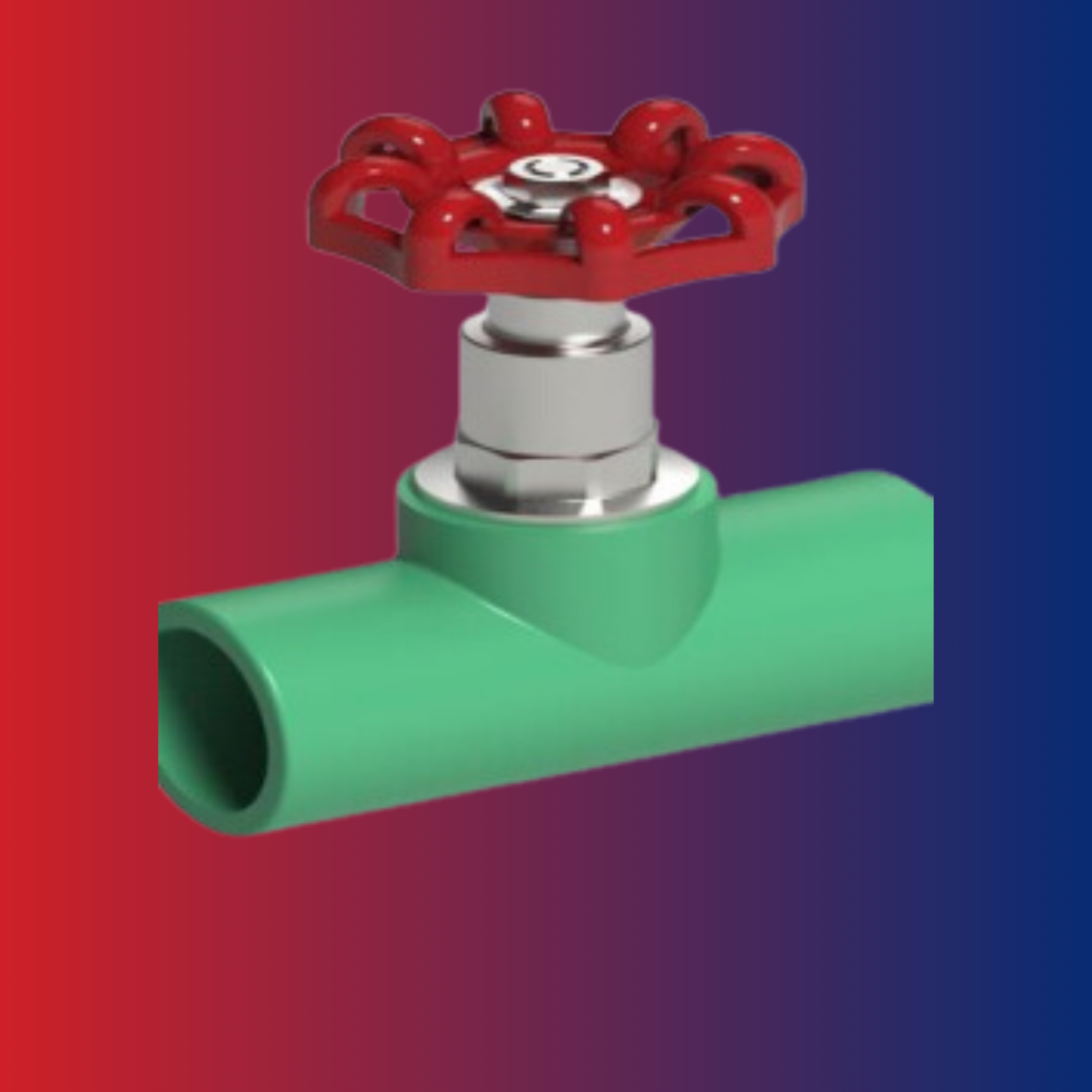
GateValve
PPRC gate valves are used in piping systems made from Polypropylene Random Copolymer (PPRC) pipes to control fluid flow. These valves feature a gate or wedge-shaped disc that moves perpendicular to the flow. When fully open, the gate allows maximum flow; when fully closed, it stops the flow completely.
Designed for use with PPRC pipes, these valves are corrosion-resistant, durable, and compatible with the piping material. They are commonly used in plumbing, water supply, irrigation, and industrial applications.
Available in various sizes to match different pipe diameters, PPRC gate valves provide reliable flow control. Proper installation and maintenance are essential for efficient operation and long-lasting performance.
Sizes Available
- GateValve – 25mm
- GateValve – 32mm
- GateValve – 40mm
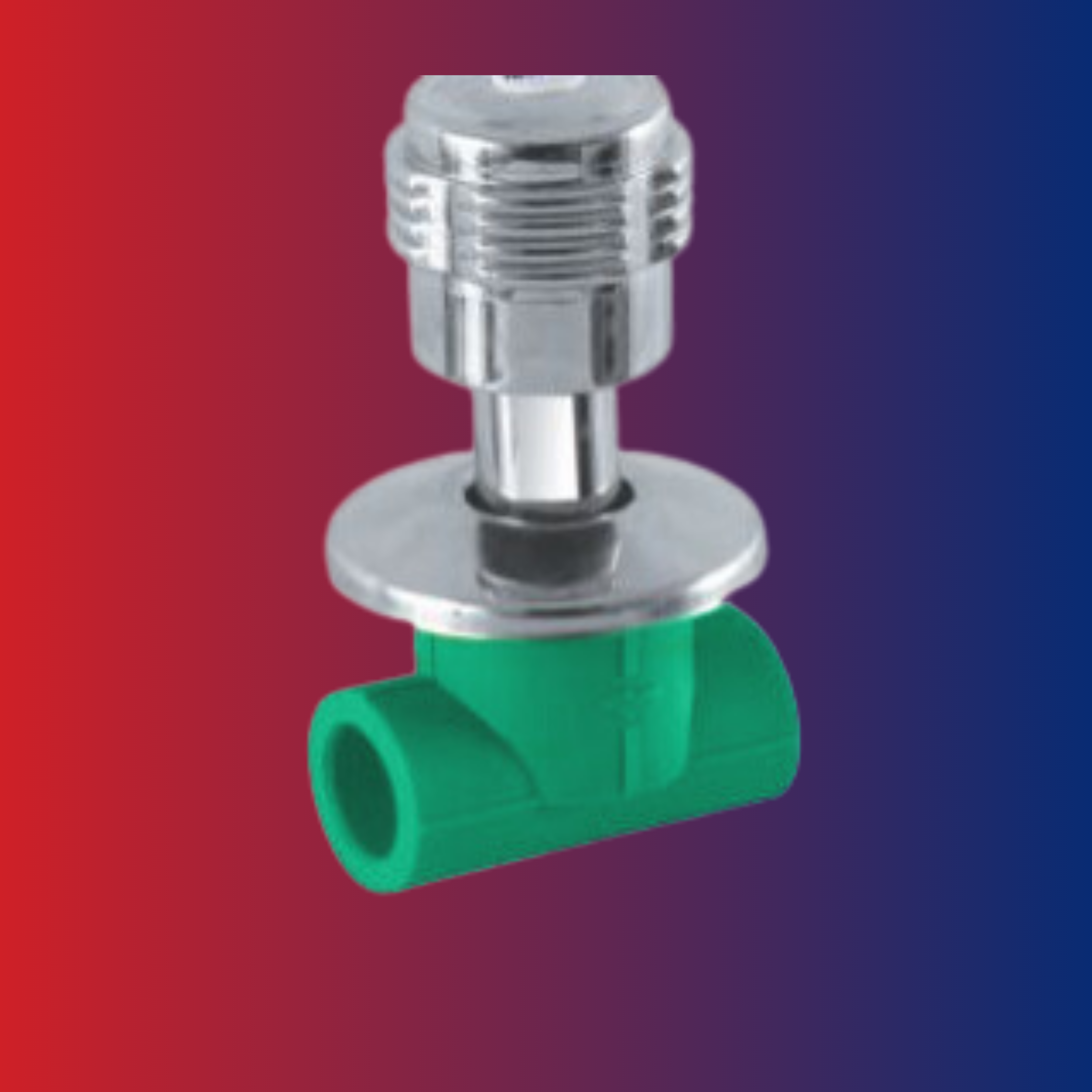
Underground Valve
PPRC underground valves are vital for buried piping systems using Polypropylene Random Copolymer (PPRC) pipes. Made from durable materials like PPRC, stainless steel, or brass, they resist corrosion and soil pressure, ensuring reliable fluid control in water or gas pipelines. Available in various types and sizes, they enhance the longevity and efficiency of underground networks.
Designed for easy installation and maintenance, these valves minimize downtime during repairs or replacements, optimizing the operational efficiency of buried piping systems. Considering factors like accessibility and environmental conditions, PPRC underground valves offer dependable performance and support seamless operation in various industries.
Sizes Available
- Underground – 25mm
- Underground – 32mm
- Underground – 40mm
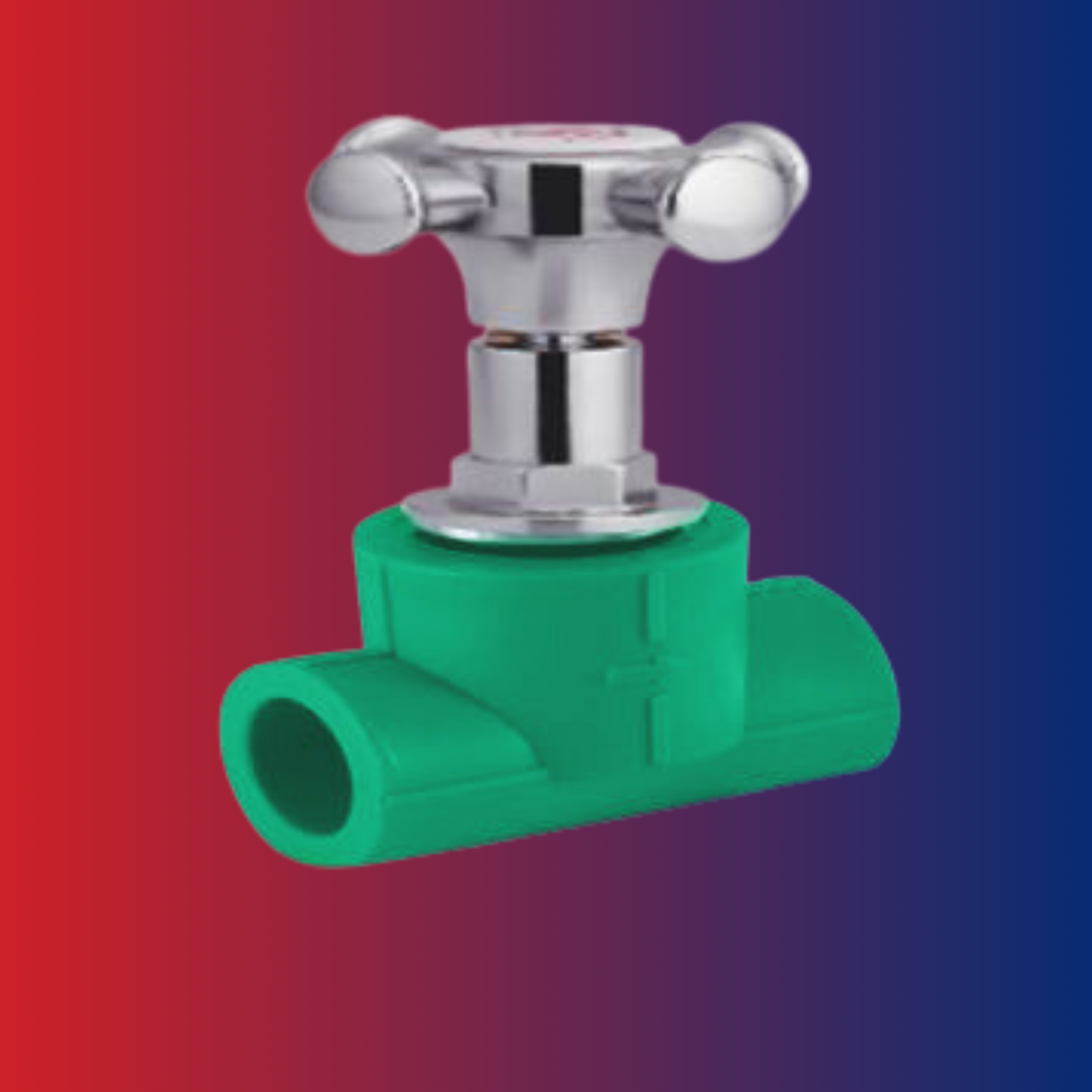
Victorian Valve
Victorian valve” typically refers to a type of valve designed in a style reminiscent of the Victorian era, characterized by ornate detailing and a vintage aesthetic. However, it’s less common to find valves made specifically from Polypropylene Random Copolymer (PPRC) in this style, as PPRC is a modern plastic material primarily used for its durability and corrosion resistance.
Manufacturers might create valves with Victorian-inspired designs using PPRC materials. These valves would blend vintage aesthetics with modern durability, offering stylish and functional plumbing solutions.
If you’re specifically looking for a Victorian-style valve made from PPRC, you may need to explore custom or specialty manufacturers who can accommodate such requests, as it may not be a standard offering in the market.
Sizes Available
- Victorian Valve – 25mm
- Victorian Valve – 32mm
- Victorian Valve – 40mm
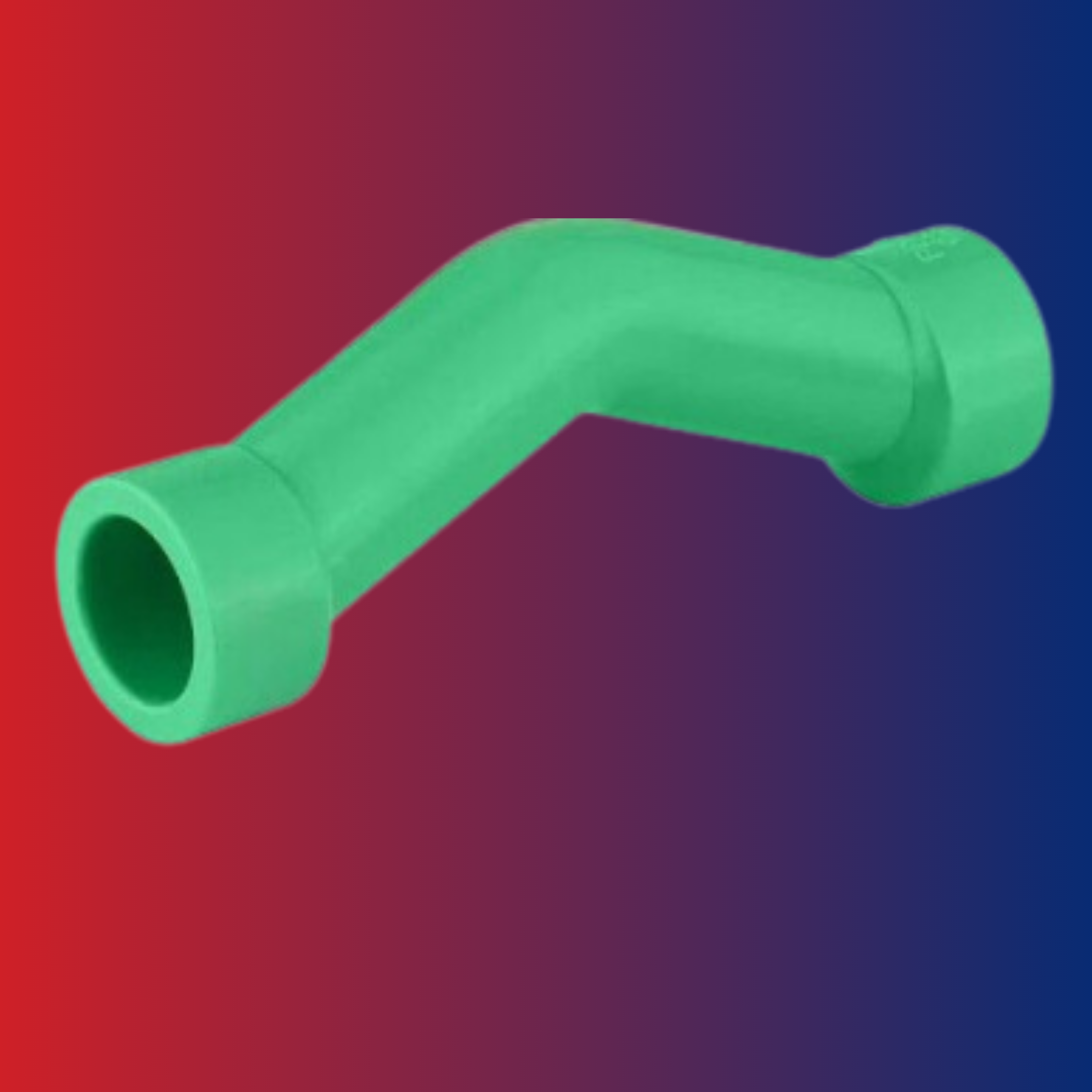
OverCross
PPRC Overcross” likely refers to a type of fitting used to connect two pipes positioned above each other in a piping system. This fitting allows for a perpendicular connection between the two pipes without intersecting or altering their respective paths. It essentially facilitates the crossing of one pipe over another while maintaining their individual trajectories.
This type of fitting is particularly useful in scenarios where space constraints or design considerations necessitate pipes to be laid out in an overlapping manner. The PPRC overcross fitting ensures a secure and leak-proof connection between the pipes while accommodating their vertical arrangement. It provides structural integrity and fluid flow continuity in the piping system.
Sizes Available
- OverCross – 25mm
- OverCross – 32mm
- OverCross – 40mm
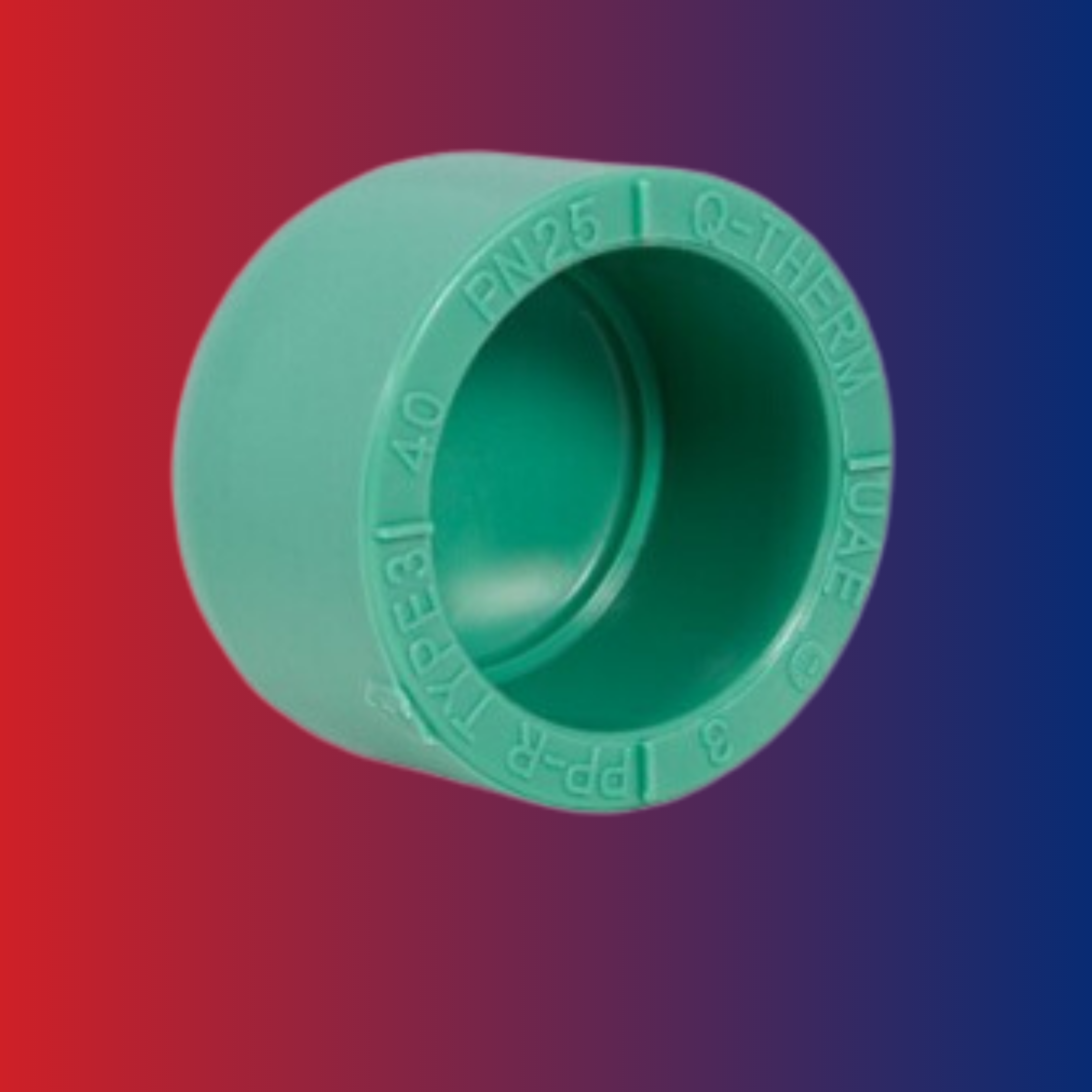
EndCap
A PPRC end cap is a type of fitting used to close off the end of a Polypropylene Random Copolymer (PPRC) pipe in a plumbing or piping system. It is designed to seal the end of the pipe securely, preventing leaks and providing a finished appearance to the system.
PPRC end caps are typically constructed from the same durable and corrosion-resistant material as PPRC pipes themselves. They are available in various sizes to fit different pipe diameters and are designed to be compatible with PPRC piping systems.
These end caps are commonly used in a range of applications, including residential, commercial, and industrial plumbing projects. They offer a simple and effective solution for terminating PPRC pipes, ensuring the integrity and reliability of the piping system.
Sizes Available
- EndCap – 25mm
- EndCap – 32mm
- EndCap – 40mm
EndPlug
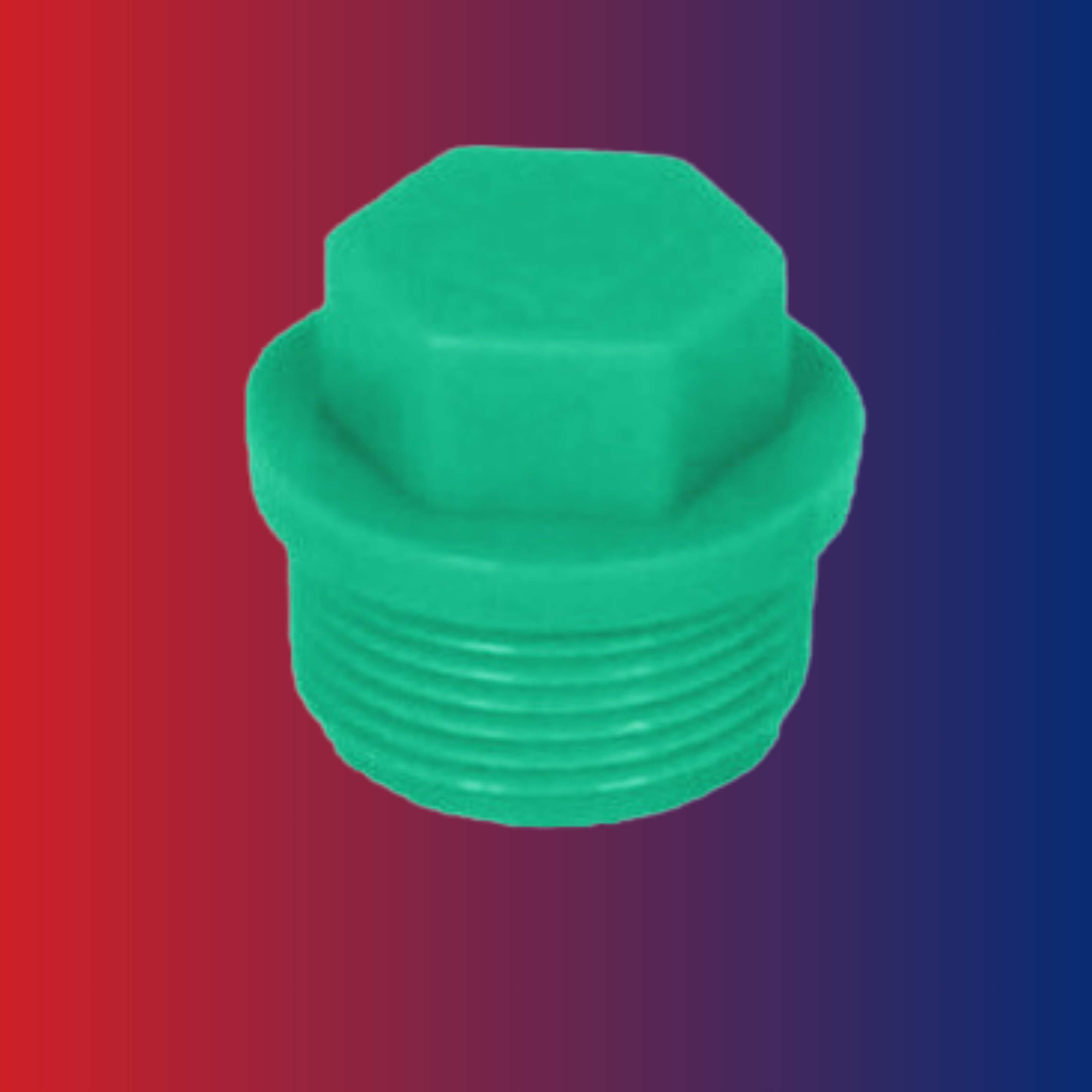
An end plug in a PPRC (Polypropylene Random Copolymer) piping system serves a similar function to an end cap: it’s used to seal off the end of a pipe securely. The end plug is designed to fit snugly into the open end of the PPRC pipe, preventing leaks and providing a finished appearance to the system.
Similar to other PPRC fittings, end plugs are made from durable, corrosion-resistant materials to ensure longevity and reliability in plumbing applications. Available in various sizes, they accommodate different pipe diameters and are specifically designed to be compatible with PPRC piping systems.
End plugs are commonly used in residential, commercial, and industrial plumbing projects where the termination of a pipe is required. They offer a straightforward and effective solution for sealing off the end of PPRC pipes, contributing to the overall integrity and efficiency of the piping system.
Sizes Available
- EndPlug – 25mm
- EndPlug – 32mm
- EndPlug – 40mm
Mixer Elbow
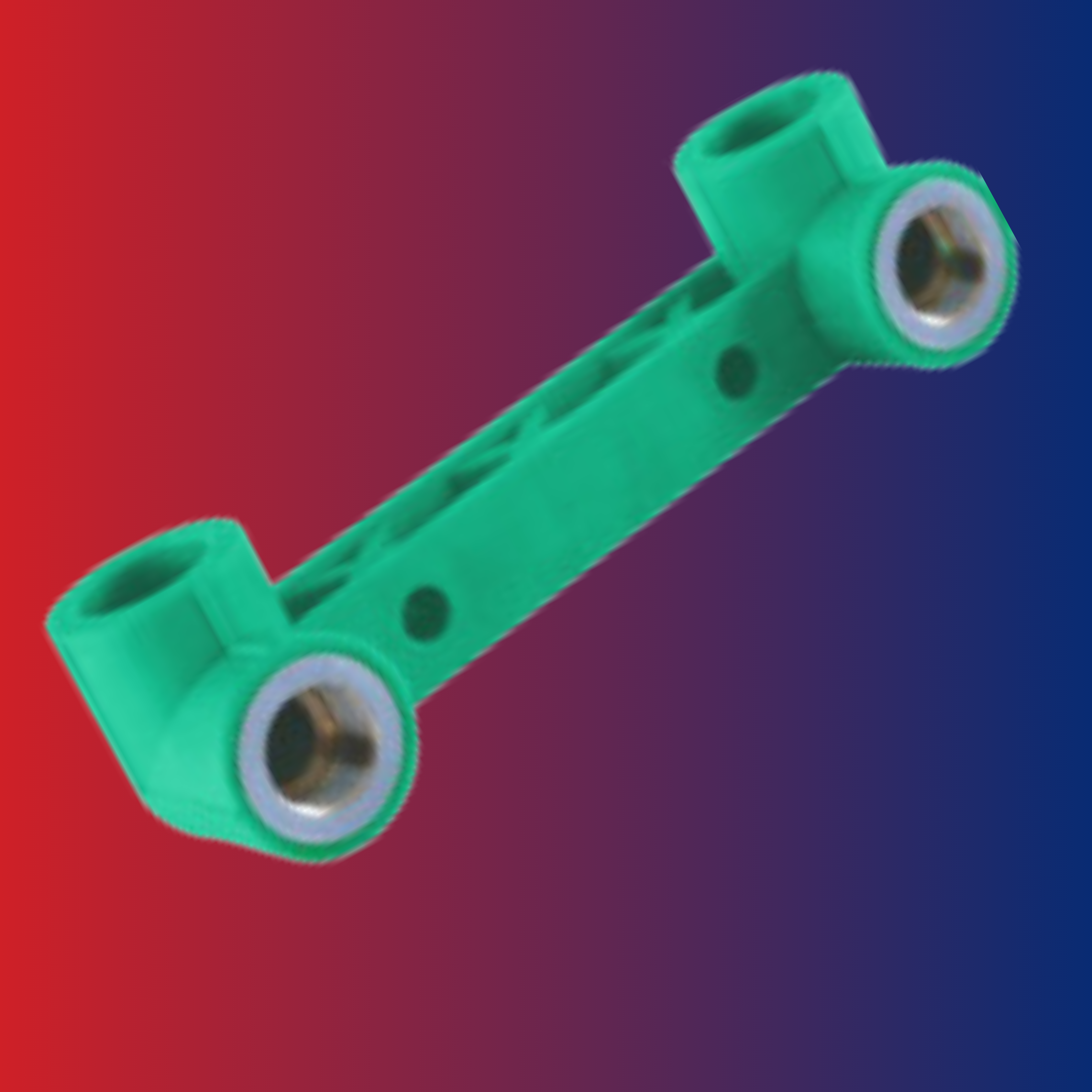
A “mixer elbow” in the context of PPRC (Polypropylene Random Copolymer) likely refers to an elbow fitting used in plumbing systems for mixing hot and cold water. These fittings are often used in showers or faucets where both hot and cold water lines converge to create a mixed flow of water at the desired temperature.
The PPRC mixer elbow is designed to connect two PPRC pipes at an angle, typically 90 degrees, allowing the flow of hot and cold water to mix within the elbow before exiting through a single outlet. These elbows are engineered to provide efficient mixing while maintaining the integrity and reliability of the plumbing system.
PPRC mixer elbows, made from durable, corrosion-resistant materials like PPRC, ensure long-term performance and leak-free operation. Available in various sizes, they fit different pipe diameters and are compatible with PPRC piping systems used in residential, commercial, and industrial plumbing applications.
Sizes Available
- Mixer – 25 x ½ mm
Union
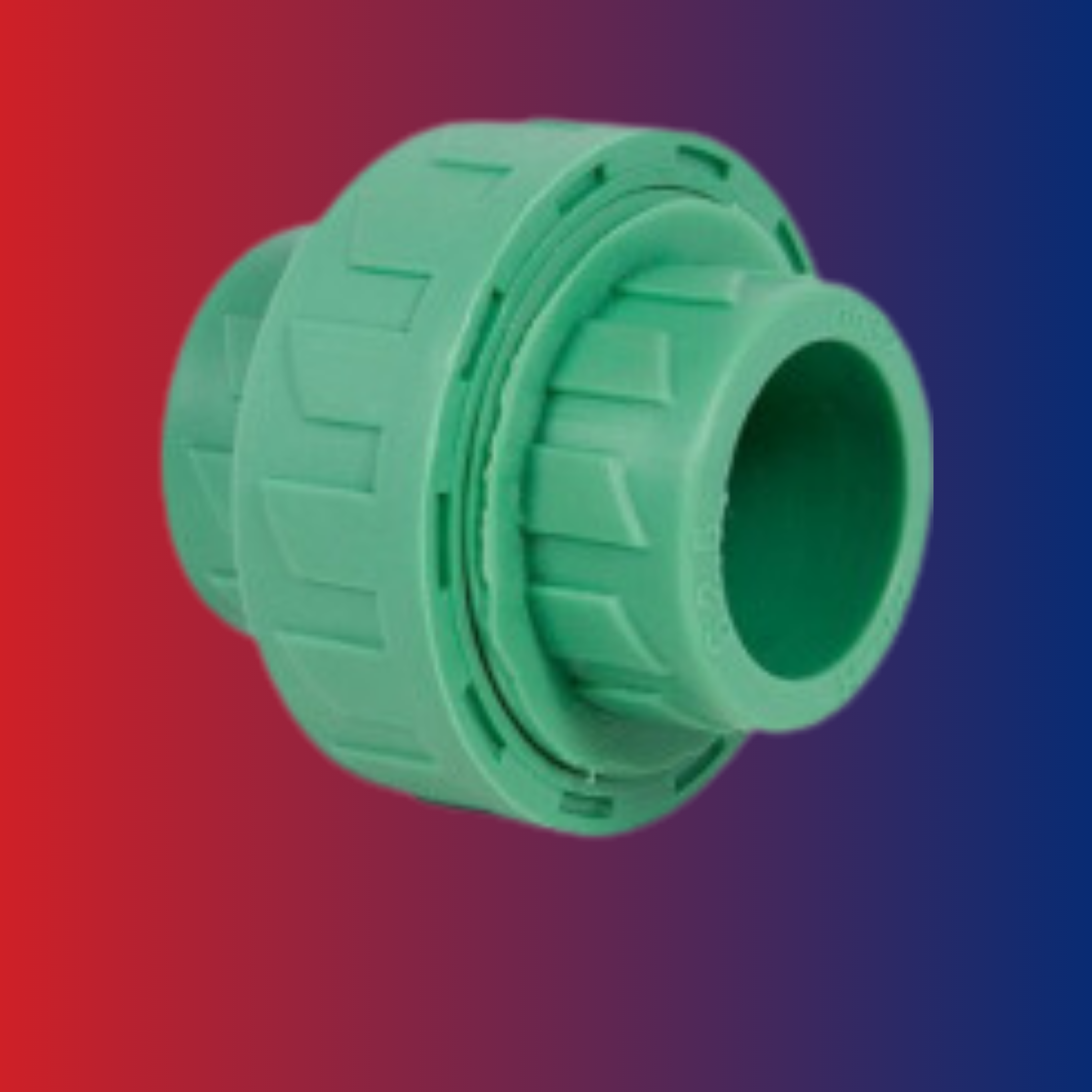
A PPRC union is a type of fitting used in PPRC (Polypropylene Random Copolymer) piping systems to facilitate easy disassembly and reassembly of pipes or sections of pipes. It consists of two threaded ends connected by a central nut, allowing for quick and convenient joining or separation of piping components without the need for cutting or soldering. PPRC unions are designed to provide a leak-proof connection and are commonly used in plumbing and industrial applications where frequent maintenance or repairs may be required.
Sizes Available
- Union – 25mm
- Union – 32mm